Ravioli Research and Pasta Dough Methodology
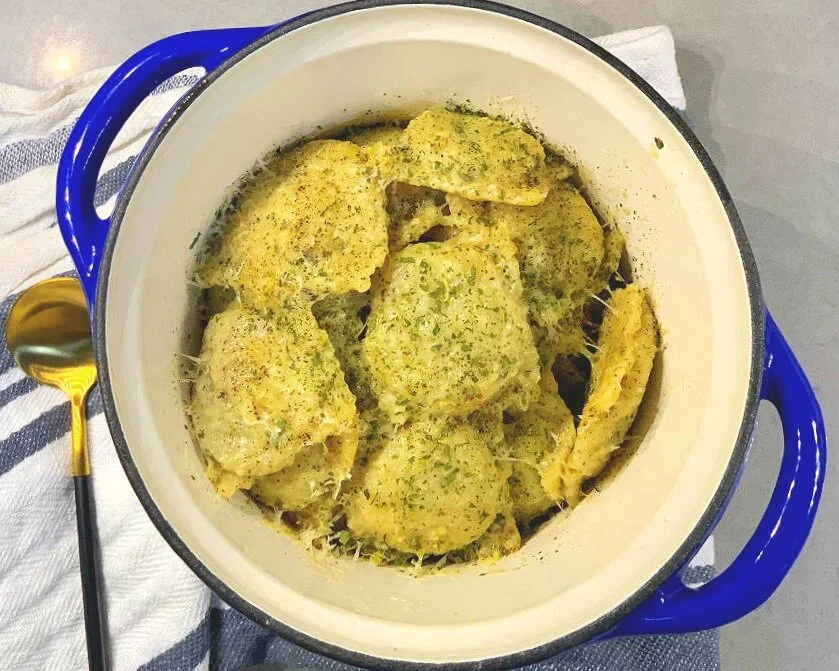
Since my sister gave me a ravioli maker for my birthday last year, I’ve been so eager to put it to use. I’d look at it, sitting there in my kitchen, calling my name, trying to find a purpose in life from its owner. And yet there I was, putting off all that time making other recipes, obsessing over Barilla pasta and experimenting with sauces and ingredients.
Ask anyone who knows me…I am, always have, and always will have a very close relationship with pasta. My sister couldn’t get me a more perfect birthday gift for the right person. Truth be told, the job looked very demanding to me at first. Watching how all chefs do it on TV did intimidate me with how much work was to be put in, and then there was even the possibility of me messing up. It was after going through boxes and boxes of Barilla’s semolina pasta and getting tired of the same taste that I realized it was time for a change. With inspirational help from one of my culinary idol, Samin Nosrat, as well as celebrating my moms birthday, I found time on my hands to put my hands to work and prepare the best birthday dinner for mom.
It was my first time making pasta dough and thus making pasta from scratch. Once I started putting together all the ingredients I realized that it was ok with making enough mistakes to test for better results. Turns out there’s actually a few ways to make pasta dough: some do with eggs or without, some with specific flours ranging from semolina, tipo 00, all-purpose, etc., some with no oil or salt (which from what I experimented with actually turns the dough a bit harder), etc. To avoid being overwhelmed, I choose the recipe that was on the ravioli maker box (for the sake of this conversation, we’ll call this recipe dough A) and Samin Nosrat’s pasta dough recipe on the New York Times Cooking website (dough B), making two different batches of pasta dough each from different ingredients.
I’ll first say that a pasta machine is the next thing on my wish list. Handmade pasta is a taxing job that, at least in this case, required my full attention between 12 pm to 6 pm. But after hours of mixing and kneading with my hands and knuckles, adding more water and flour, spreading with a metallic rolling pin with my forearms, switching from one recipe to another, waiting 30 minutes while making two kinds of filling, rolling it out again, placing it over the ravioli maker, pouring the filling, raking them on the baking sheet, and finally placing them in the water to boil, the work was definitely worth it.
So here’s how I observed both batches of pasta dough:
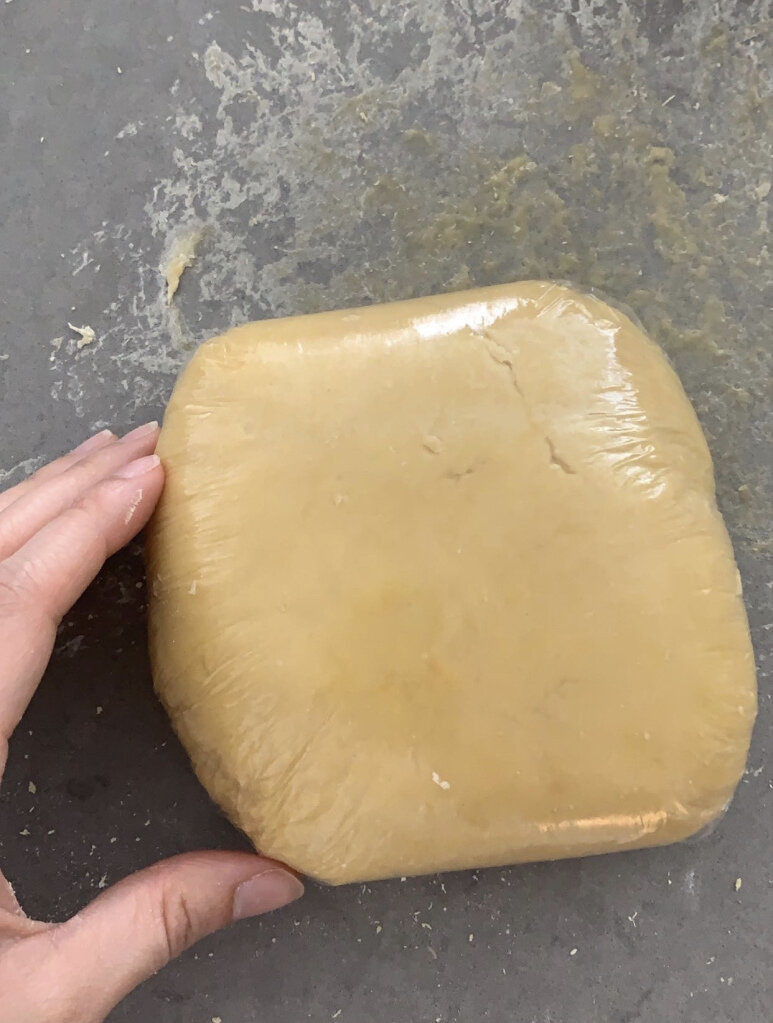
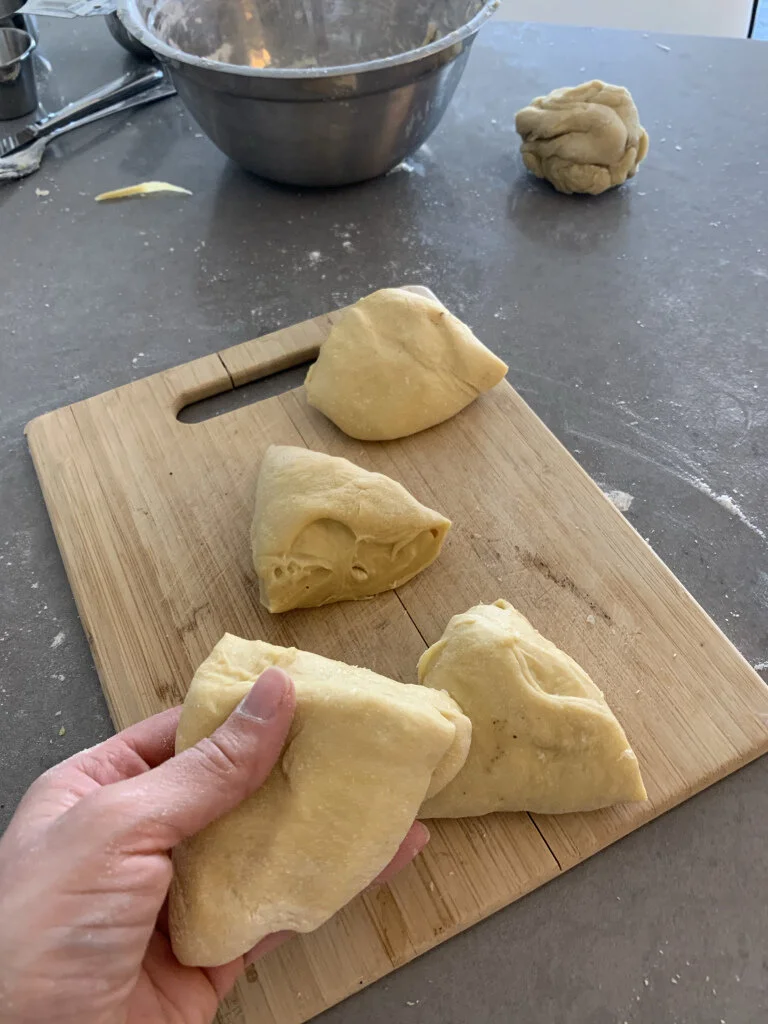
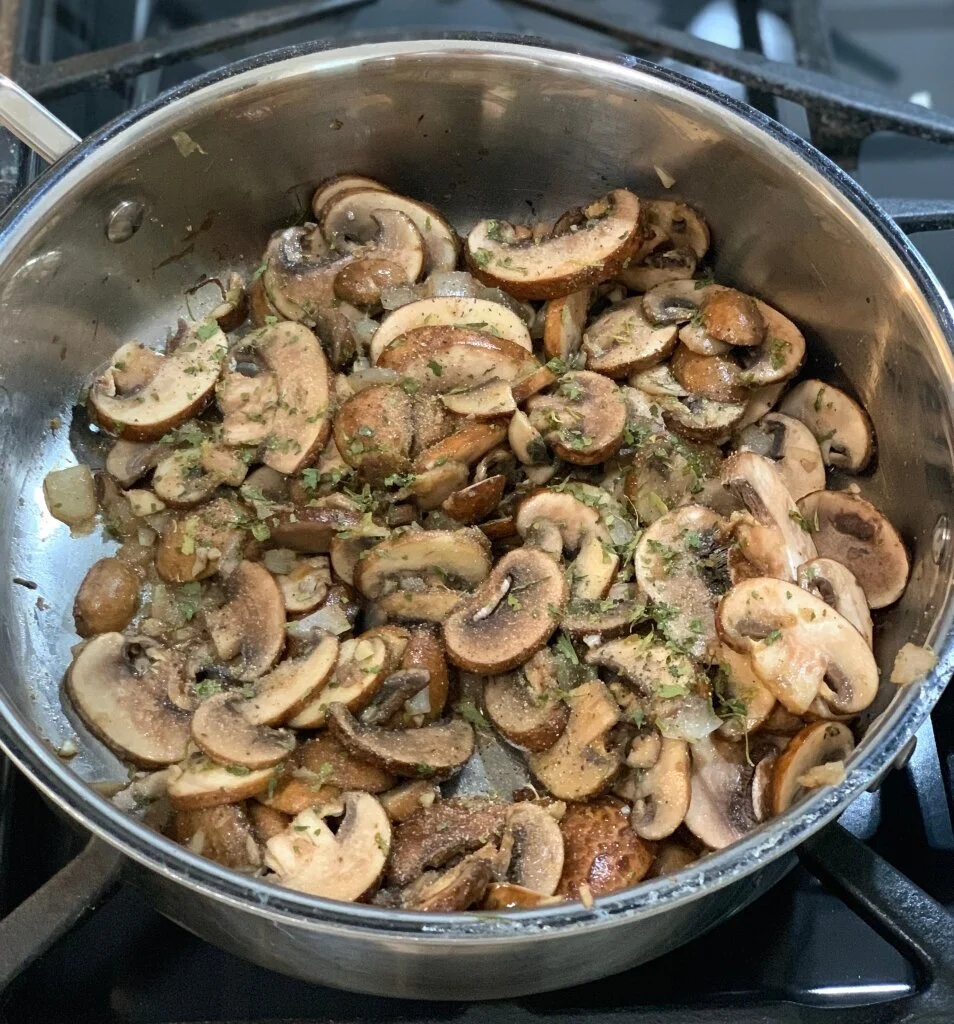
The two fillings I made were ricotta based: one with mushroom which filled up dough A, and a spinach broccoli one that filled up dough B. Again, this may be a very biased experiment given that I filled two different pasta’s with two different fillings. In addition, I also made two different sauces: a butter sauce for dough A, and a rosemary red sauce for dough B. Dough A also had no time for resting, meaning I rolled it out and went straight into filling them, while dough B was resting for about 3 hours. The fact that the latter had more eggs in it also contributes to a bold flavor, adding more fat and protein and thus offering a softer texture (I added 1/4 cup of water to make it extra smoother). Adding salt to dough A only made the dough much harder to roll out given the fact that salt slows down gluten formation. So I can defend my argument by saying despite the sauce and the fillings, dough B’s texture just sat so naturally with me with a rich taste that brought me straight to flavortown.
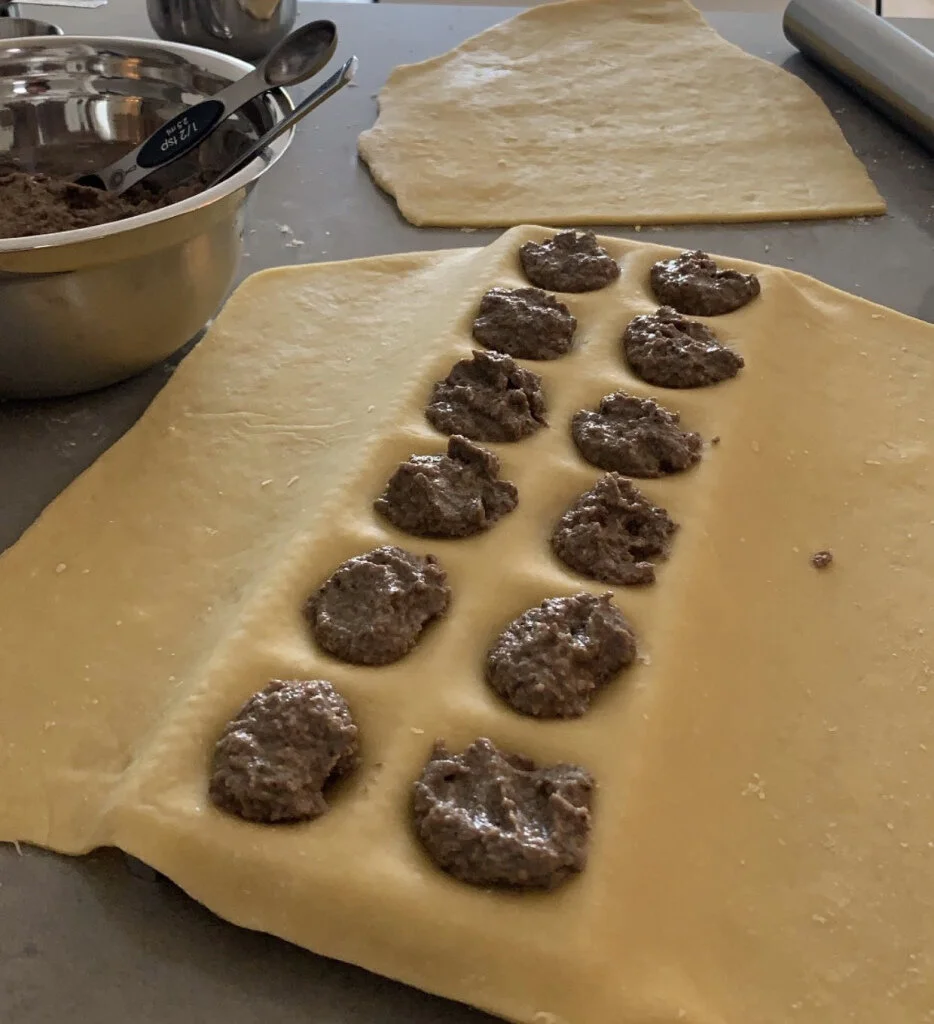
Regardless, I was so pleased by both outcomes. My ravioli party was a success for me and I learned how much I love playing with dough and testing it all out, no matter how long I have to stand. I got both outstanding flavor and a little arm workout. And yes, my mom loved it and I’m thrilled to have offered her a great birthday dinner this year :).
My enthusiasm for this recipe extends to you and I hope you enjoy the results. I won’t add the recipe for dough A, mainly because I accidentally the box that had the recipe for it. Nonetheless, you can find a pasta dough recipe online that includes salt and oil. The recipe for dough B (which for me was the preferred one) can be found on New York Times cooking by yours truly, Samin Nosrat. I highly recommend even checking their website and subscribe for more ideas. If you’re up to the demanding task, you can compare this recipe with others you find. The ingredients is posted on their website but I’ll still add it below in the recipe below. I’ll include recipes for the butter sauce, rosemary red sauce, spinach broccoli ricotta, and mushroom ricotta. For a better outcome, I recommend making the dough first, and while it rises, start making the filling and set aside. Don’t prepare the sauce until the dough has rested, been filled ricotta, and made into a ravioli. I’ve arranged the recipe in order below to help out a bit more.
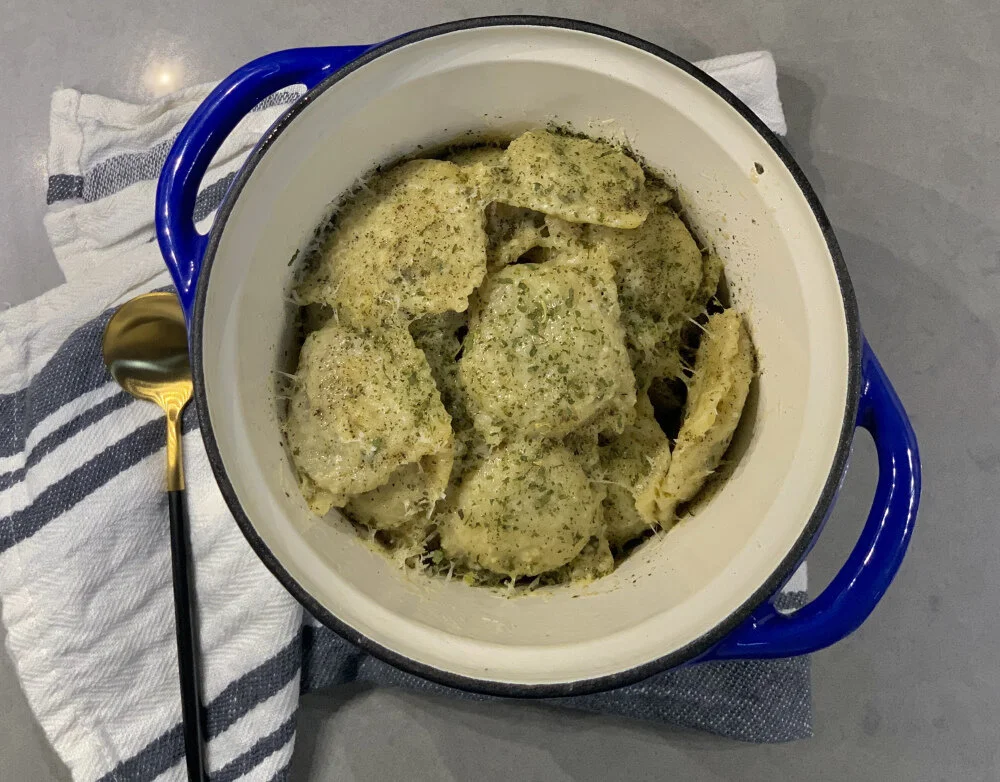
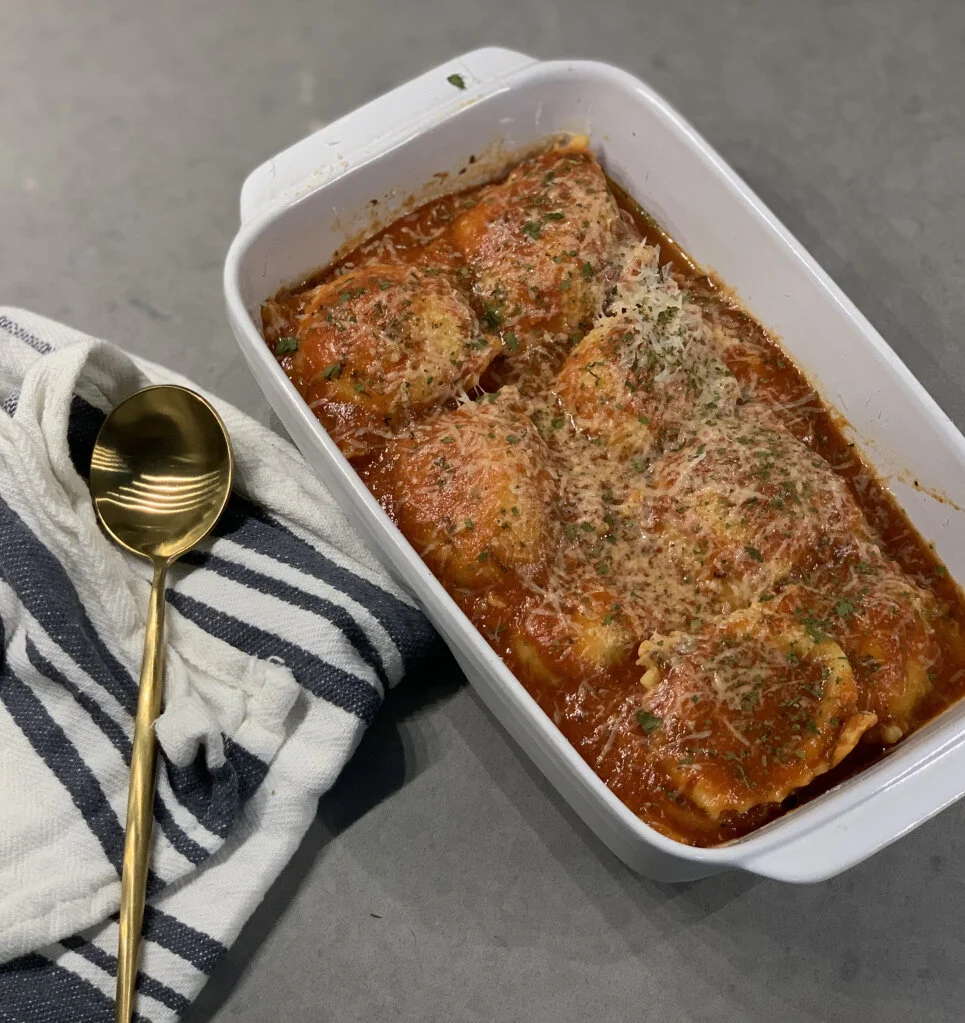
Please share your experience and let me know what you think. If there’s anything you’d like to add or tips, sharing is much appreciated. Enjoy ya’ll! 🙂
RECIPES
NYT Pasta Dough
Ingredients
2 cups 00, or all purpose flour
¼ cup of cool water (This isn’t in their recipe but I added this since the dough was clotting too much)
2 large eggs
3 egg yolks
Extra flour for dusting
Instructions
Pour flour in a large bowl, on a large board, or on a countertop. Keep extra flour ready for dusting the surface and dough. In a separate bowl, whisk eggs, yolks, and water with a fork until they’re properly mixed.
Pour eggs, yolks, and water in the flour bowl. Add little by little as you mix the contents until it becomes thick enough to start kneading with your hands.
Bring to a floured surface and knead for about 5 minutes until dough becomes smooth and has a nice color to it. If the dough is too sticky to your hands, add more flour, about as little as a palmful at a time.
Roll the dough into a ball and wrap in a cling film. Let it rest for 30 minutes. It can also be chilled for up to 4 hours. (Note: allowing the dough to rest will allow gluten strands to relax offering a stronger dough that will be easier to roll out. It also will allow the water to be absorbed by the flour).
Come back to the dough and roll out on a floured surface. If you have a pasta maker, you can flour the dough and press it in the machine. Roll into sheets for the ravioli maker. (Note: If you have a ravioli maker, follow instructions on the box. I used the Norpro Ravioli Maker and it worked wonders).
Ricotta Fillings
Mushroom Ricotta
Ingredients
17.50 oz of Cremini mushrooms, sliced
1-2 tsp garlic powder
2 tbsp grated parmesan, plus more for taste
2 tbsp ricotta
Parsley to season, plus more for garnish
½ large yellow onion, diced
1 clove garlic, minced
1 tbsp olive oil
½ tsp salt
Pepper for taste
Instructions
In a 12 inch skillet, heat up olive oil under medium heat. Add onions and cook for 2 minutes or until translucent/fragrant. Add garlic and cook for 2 minutes or until fragrant (make sure heat isn’t too high so you don’t burn the garlic).
Add mushrooms about 2 cups at a time to coat evenly. Add in salt and pepper as well. If you’d like you can add more olive oil, about 1 teaspoon at a time. Cook mushrooms until soft and moist, about 5-10 minutes.
Once mushrooms are cooked, add a generous amount of parsley to your liking (if your obsessed like me, don’t be shy, Julia child the crap out of it!). Mix contents and leave it on the side to cool.
Pour contents in a blender along with ricotta, parmesan cheese, and garlic powder. Stir with a spoon inside the blender and then puree the content. Leave on the side in a bowl to use for ravioli filling.
Spinach Broccoli Ricotta
Ingredients
2 palmfuls of spinach, chopped
2 palmfuls of broccoli, finely chopped
4 tbsp ricotta
1 tsp garlic powder
¼ tsp salt
Ground black pepper for taste
Instructions
Simply mix all contents in a bowl and set aside for ravioli filling.
Sauces
Buttercream Sauce
Ingredients
2 tbsp olive oil
7 tbsp unsalted butter (I used vegan butter)
1-3 tbsp heavy cream
¼ cup garlic powder
Generous amount of parsley
Ground pepper for taste
½ cup grated parmesan cheese, plus more for taste
Instructions
In a saucepan, heat olive oil under medium heat. Turn the heat to low and add butter. Simmer until all the butter is melted and add the heavy cream and garlic powder. Stir until all contents are blended and add the ground black pepper.
Once the contents have become saucy, add the grated parmesan cheese and serve on ravioli.
Rosemary Red Sauce
Ingredients
1-2 tbsp fresh rosemary
Palmful of oregano, plus more to taste
2 tbsp tomato paste
2 tbsp olive oil
½ cup water
½ cup veggie broth
½ tsp salt (optional: add ¼ tsp extra if you’d like)
1 tsp garlic powder
Ground black pepper for taste
Instructions
In a saucepan, heat olive oil under medium heat, then turn it slightly higher between medium to high heat, adding in water, broth, tomato paste, and salt. Stir contents and let it cook for 2 minutes.
Add rosemary, oregano, garlic, powder, and pepper. Stir and let it cook for 10 minutes under low heat, bring to a simmer (tip: I cooked it under a lid under low heat to make sure all ingredients are cooked).
Once contents are ready, serve with grated parmesan on ravioli.