Zesty Chickpea Pasta
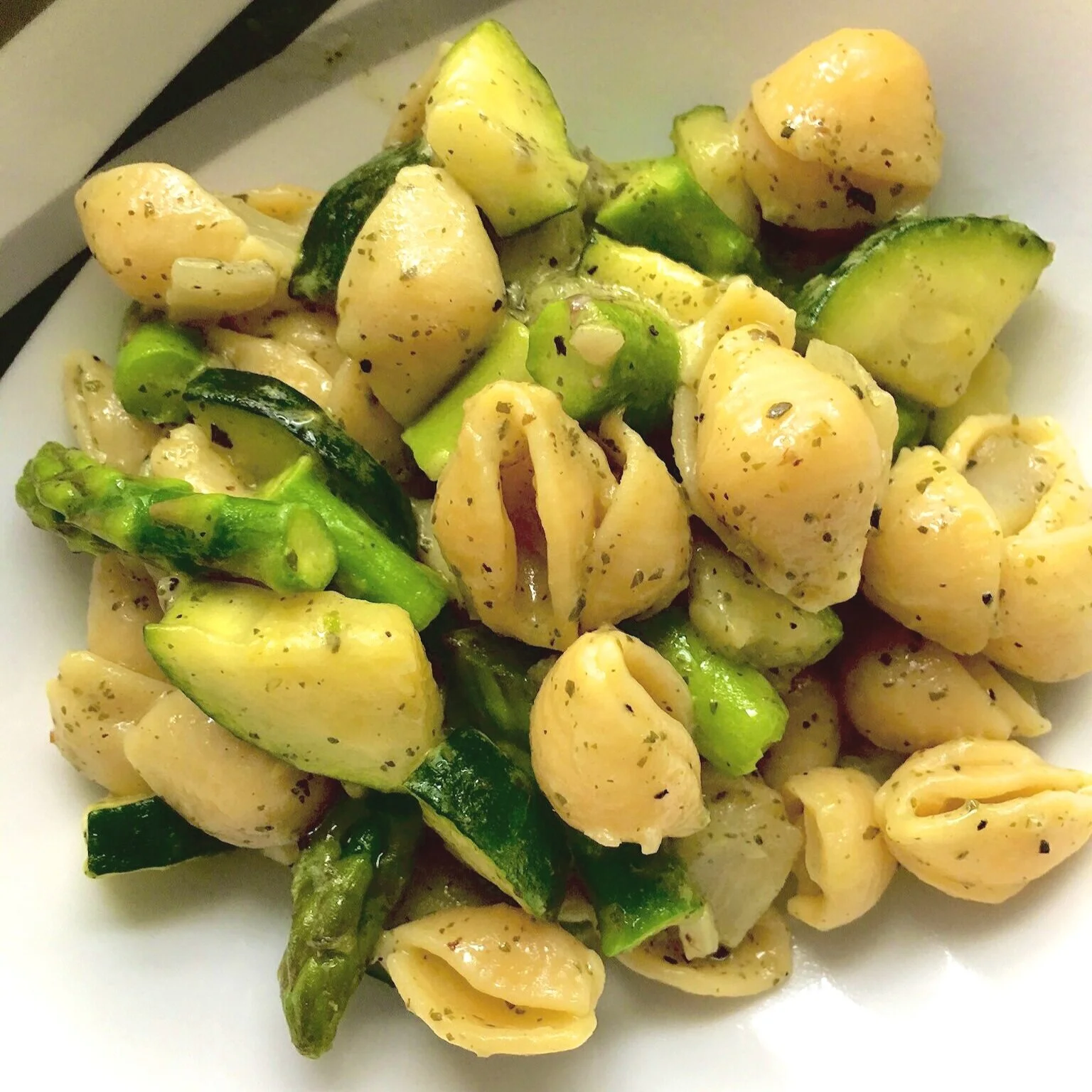
Chickpeas and the wide range of dishes they inspire have been a culinary trend since 2011, quickly becoming a staple in vegan and vegetarian diets. Once overlooked in Western cuisine—despite their long history of trade with Italy, Greece, and Germany dating back to the Bronze Age—chickpeas have become a central ingredient in North American, European, and Australian kitchens. The rise of hummus marked the beginning of their popularity, followed by innovations like chickpea pasta. What was once a cornerstone of Arab cuisines has now made its way into international kitchens, restaurants, and grocery stores, thanks to the global adaptation of its recipes and ingredients.
Recipes made from chickpeas are constantly shared, reimagined, and adapted as they travel from their place of origin, blending with other cuisines and transforming the way both the food and the culture it comes from are represented internationally. The global appropriation of chickpeas and dishes like hummus reshapes cultural identities, giving rise to new symbolic meanings as recipes are exchanged, remixed, and reinterpreted to align with different cultures. The way chickpeas and their dishes are portrayed on social media and in the media at large has altered their symbolic significance in Arab culture. In Israel, hummus is seen as a “masculine dish,” according to Dafna Hirsh (Nelson and Silvia, 2016). In other contexts, hummus serves as a symbol of unity or an honorary dish in the Arab world. The diasporic nature of food and the cultural traditions surrounding its preparation often fuel disputes over the historical and national ownership of certain dishes. The "Hummus Wars" between Lebanon and Israel are a prime example of this, with both countries claiming to be the rightful originators of hummus.
Social media platforms have transformed hummus from a traditional dish into a global community. The rich Arabic heritage of hummus has been reshaped and redefined, with new identities emerging in its consumption—such as being categorized as a convenient snack in the United States or praised for its nutritional benefits, like its high protein content, role as a meat substitute for vegans and vegetarians, or its impressive fiber content. Social media, along with other forms of media, will continue to inspire innovative uses for this versatile legume. For me, chickpea pasta stands out as one of the most creative reinventions.
As we transition from spring to warmer weather, I thought a light, yet flavorful meal featuring Banza chickpea pasta would be perfect for the season. The dish draws inspiration from Mediterranean cuisines—primarily Italian and Greek—using olive oil and pesto as the main flavor profiles. I’m especially fond of the fresh citrus zest and herbal notes paired with the rich, hearty texture of chickpeas. This combination made for a satisfying and energizing meal.
The zesty pasta is ideal for a spring lunch, offering the right balance of fiber and protein to keep you fueled for the rest of the day, while still being light and easy to digest. Crunchy asparagus is scattered throughout the dish, lightly marinated in a roasted garlic, olive oil, and lemon dressing that adds a refreshing zest. A hearty blend of roasted zucchini and peas complements the mix, and a dollop of Whole Foods' vegan pesto ties everything together with a creamy, herbal kick.
Zesty Chickpea Pasta
Ingredients:
1 cup of shelled Banza chickpea pasta
2 tsp kosher sea salt (1 tsp for pasta water)
1 tablespoon extra-virgin olive oil
1/3 cup pasta water
½ of medium yellow onion (diced)
½ shallot (sliced)
2 medium garlic cloves (minced)
⅛ teaspoon of white distilled vinegar
Ground black pepper, and more for taste
½ tablespoon of Gotham Greens Vegan Pesto
1 zucchini (diced)
2-4 stems of asparagus (chopped)
½ head of broccoli, (chopped)
1 tablespoon fresh lemon juice
Parsley for garnish
Instructions:
In a medium pot, bring water to a boil. Add salt followed by a cup of Banzo chickpea pasta. Cook until semi soft or until it reaches a desired texture (i.e al dente or soft). Drain the pasta, leaving some pasta water.
In a skillet over medium heat, pour in the olive oil and let it heat. Bring heat to low and pour in the chopped onion and shallots until it becomes translucent/fragrant. Add in the minced garlic and stir until it becomes fragrant. Pour in remainder salt, vinegar, and pepper and stir. To avoid any burning, make sure the garlic and onion is not cooking too long. Let it simmer for no more than a minute.
Once both the onion and garlic become fragrant, add the pasta water, pesto sauce, and pasta into the skillet and cook under medium heat for 4 minutes.
Add in zucchini and let it cook for 2 minutes or until it becomes semi-soft.
For a fresh crispy taste, add the asparagus and broccoli last to the mix. Pour in the pasta and mix with veggies until contents are coated evenly. Add lemon juice for a zesty finish.
Plate in a bowl, sprinkle some black pepper for taste and garnish with parsley. For extra flavor, add 1/4 teaspoon of extra-virgin oil. Enjoy!