Recuerdos: The Roots and Rhythm of Latin Stories
Growing up first generation Dominican in Miami felt like living in a tropical spin-off of the U.S. English and Spanish overlapped effortlessly, cafecito was brewing somewhere, music was loud enough to ring your ears, and domino games and political arguments were dramatic enough to qualify as professional sports. At family gatherings, my mom, aunts, and grandma could cook, clean, and dance in one synchronized routine. And somewhere between the merengue and shouting, family stories were always retold. It was always about how someone migrated, who built what from nothing, which cousin, aunt, or uncle was the most rebellious, who fought and/or died for what, etc. I absorbed these stories like background music, and still even remember them in stressful times. When I moved to New York City, those memories came with me. In a city that felt faster and less familiar, I found myself returning to cooking the same dishes in a smaller kitchen, or reciting the same memories with my parents and sister; just little rituals that made the distance feel smaller. Even the most exaggerated, emotional, lovingly repeated family stories are what I still carry close to me. They shape how I see myself and how I understand humor, sacrifice, compassion, and resilience.
Being born American, keeping my Dominican roots alive hasn’t been about making grand declarations. It’s more about remembering, retelling, reawakening, and cherishing those cafecito soaked memories that refuse to let me forget where I come from. It lives in the instinct to retell what was once told to me. And in that I realized that as we move from one place to another, culture moves too, stretching and reshaping itself without disappearing. What feels deeply personal in these stories is also part of a larger pattern: culture adapts and travels with people, taking slightly different shapes depending on where it lands, but never losing its own rhythm.
The Dominican diaspora, in this example, expresses itself differently in New York City than it does in Miami, and differently still on the island itself. In crowded cities where communities overlap and identities are constantly interacting, culture inevitably adapts, picking up new slang and habits without completely letting go of the old ones. It gets louder in some places, softer in others. In one city, it can feel effortless. In another, it can feel like more work to adjust to. But it never stops evolving. As sociologist Milagros Ricourt writes in The Dominican Racial Imaginary, Dominican identity has never followed a single, straight path. It has overlapping and sometimes contradictory formations of race and nation based upon it’s geography and history. Diaspora communities live this every day where the experience of migration allows culture to become adaptable and unfixed by recalibrating their belonging.
Disruption
When geographical shifts occur, culture negotiates space to persist. Sometimes that negotiation is subtle like adjusting an accent for a job interview, translating a joke so it lands, etc. Other times, however, it can be as forceful as having a family relocate because of legal status, economic instability, or policy changes, leaving behind the neighborhoods, churches, and corner stores that once held their memories. In those moments, adaptation is urgent and the adjustments of migrant life take on a whole different weight. The question is no longer just how culture changes from one place to another, but what happens to it when people themselves are forcefully removed from the places where those memories live and thrive.
That disruption becomes most visible and felt in moments of deportation. What was once gradual adaptation turns into sudden absence. Families feel it in the empty seats at the dinner table, in the coworker who never returns, in the aunt or parent pulled from everyday life without warning. When this occurs, heritage risks fragmentation. Traditions pause. Stories go unfinished because the person who always told them is gone. And in that space between memory and distance, heritage becomes both heavier and more fragile at the same time.
These ruptures make cultural memory more intentional. Recounting family stories, cooking inherited recipes, and speaking the mother tongue become acts of resilience. Language becomes something to guard and preserve rather than something lived freely. Heritage becomes a practice, something to be lived on purpose. And memory becomes both a comfort and a responsibility.
Latinx Artists That Make Culture Breathe
Deliberate acts of preservation are crucial in these fragile moments. When traditions risk being paused or lost, we find new ways to carry them forward, and to let them breathe again in the present. The past unfolds through stories, songs, dances, and memories, reaching those who grew up with it and touching those willing to listen. Many Latinx artists take inherited rhythms and words and reshape them into forms that speak across generations. In doing so, they turn language and tradition into something we can feel, connecting past, present, and imagination all in a single, living pulse.
Debí Tirar Más Fotos
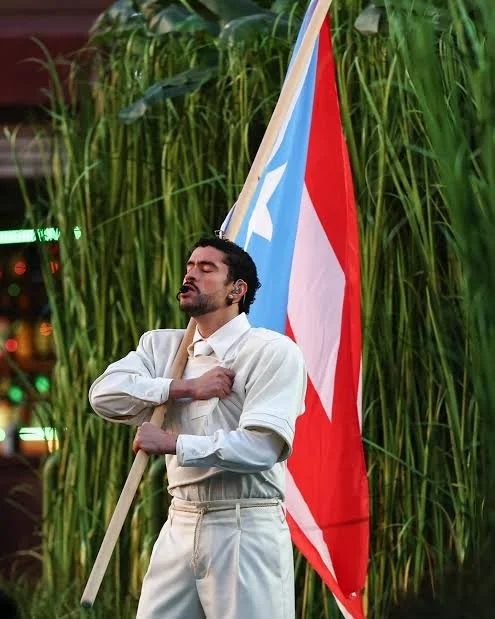
Reimagining a cultural identity for survival can be unapologetic and impossible to ignore. Artists like Bad Bunny, have a way of making both cultural shift and preservation feel alive and intentional. His latest album, Debí Tirar Más Fotos, has been regarded by Johanna Godinez in Latin Biz a “cultural love letter to Puerto Rico,” that keeps the culture alive by blending traditional Puerto Rican genres such as plena, bomba, jíbaro, folk sounds, salsa, and modern beats like reggaeton, house, and urbano. Moreover, he’s become global without diluting his linguistic and cultural roots for broader appeal by singing mostly in Spanish, showcasing local rhythms, and dropping symbols that hit home for the Latinx diaspora.
The album narrates and celebrates Puerto Rican culture and keeps it alive by bridging life on the island and life abroad in adopted countries. Nuevayol nails the Nuyorican experience by illustrating the push and pull of holding onto heritage while navigating everyday life in New York. The lyrics touch on the humor, experience, sensibilities, and quirks of living between two worlds. Heritage is actively lived and evolves without disappearing, as communities abroad make their own culture by incorporating familiar traditions with new ones. Tracks that provoke preservation like Lo Que Pasó en Hawaii turns inward, gently warning against losing community, and reminding Puerto Ricans to hold onto their heritage. All in all, the album blends defiance, joy, and nostalgia, giving listeners a vibrantly personal view of Puerto Rico in motion. Rhythm and vernacular are tools of protecting legacy, proving that cultural identity can survive and evolve, even in mainstream spaces.
Las Semillitas
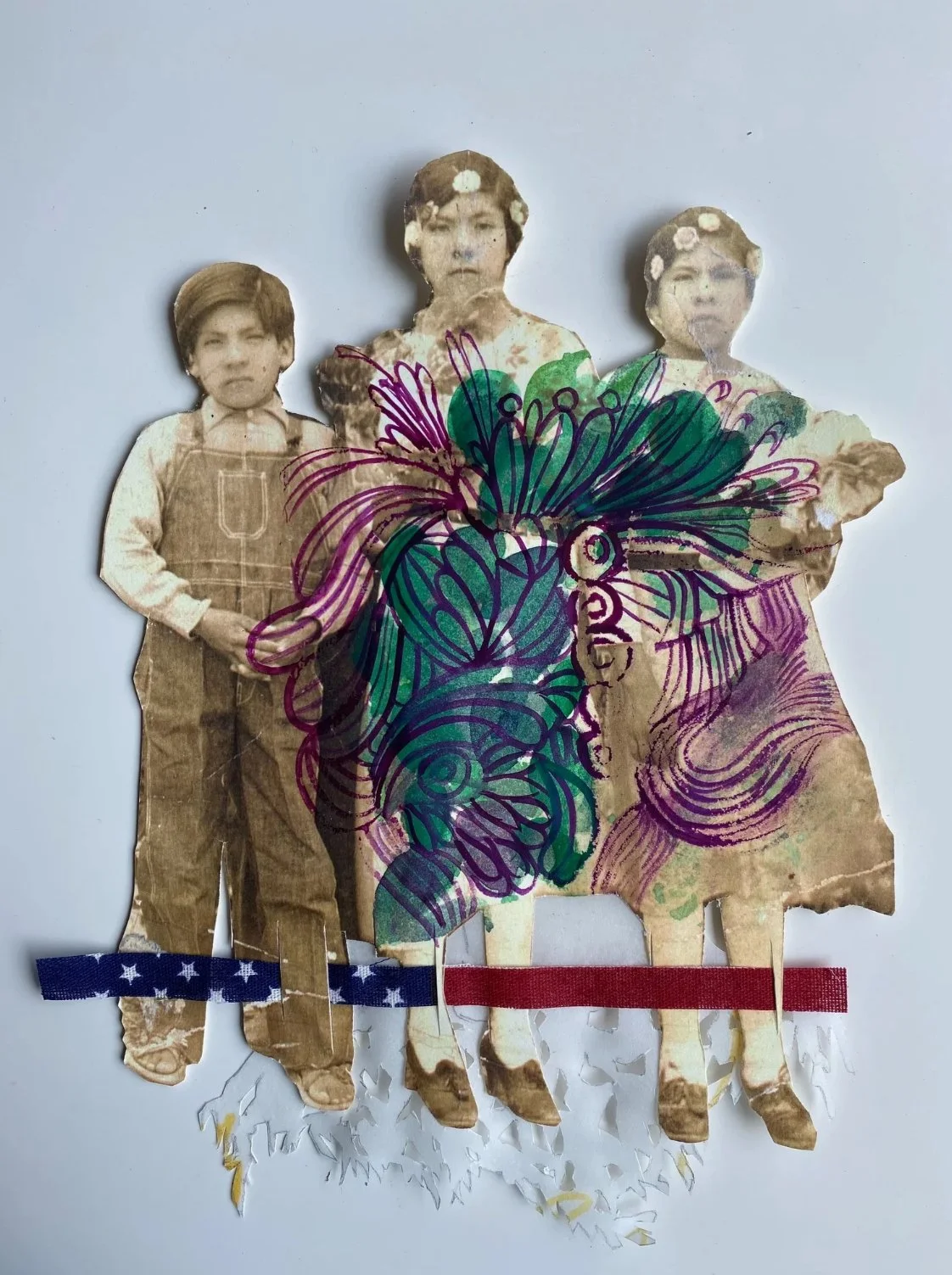
Stories, whether coming from a cultural and/or personal level, are inevitably passed down and become a vessel of continuity. This is echoed poetically in Tina Medina’s work on Semillas that turns memory into something tangible. As a Mexican-American artist, Medina uses family photos, fabrics, and found objects to create layered works that honor the stories and contributions of Latino families, especially those affected by migration and everyday labor often historically overlooked. The title Semillas, or Seeding, is fitting where each piece acts like a seed of memory, showing that heritage and family stories need care and attention to grow and survive across generations.
Medina often works with layered materials to bring family and cultural memory into the present. In one piece, she stitches the American and Mexican flags together with old family photographs, weaving national identity and personal history into one visual narrative. Medina’s work captures how immigrant families navigate dual identities by honoring heritage while living in the U.S, making the tensions and connections between belonging, memory, and national identity palpable. By transforming these flags into living symbols, she reminds us that people and their stories persist despite migration, displacement, or pressures to assimilate.
Other Latinx artists carry similar commitments, each in their own medium and in ways that feel urgent and celebratory. Just to name a few more of my favorites:
Rosalía: El Mal Querer and Motomami are albums that blend flamenco’s centuries‑old traditions with reggaetón, hip‑hop, and experimental pop in ways that feel fresh. Songs like Malamente and DESPECHÁ remix older rhythms and vocal styles with modern beats. Her music holds space for Spanish and Latin musical roots while showing that tradition can speak to new generations and global audiences without being diluted.
Tiffany Alfonseca: Her work shines a light on histories and experiences that are often overlooked, such as her series on Afro‑Latinx identity. She transforms colors, patterns, and symbolic elements into acts of visibility, insisting that Afro‑Latinx culture is present and demands attention. In pieces that celebrate Black Dominican heritage and everyday community life, Alfonseca pushes back against pressures of assimilation by foregrounding identity and pride. Her art becomes a living archive to hold memory and presence in the here and now.
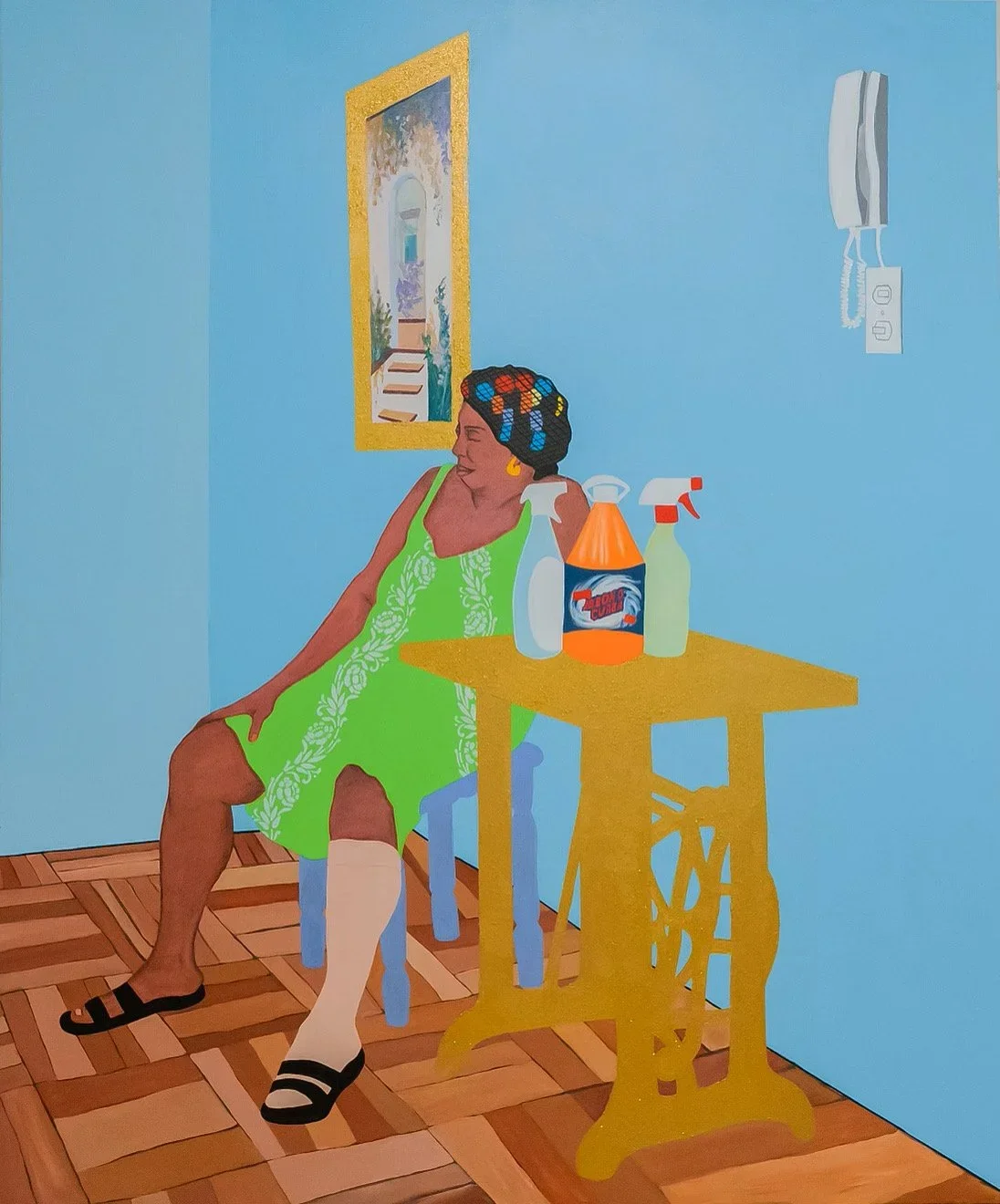
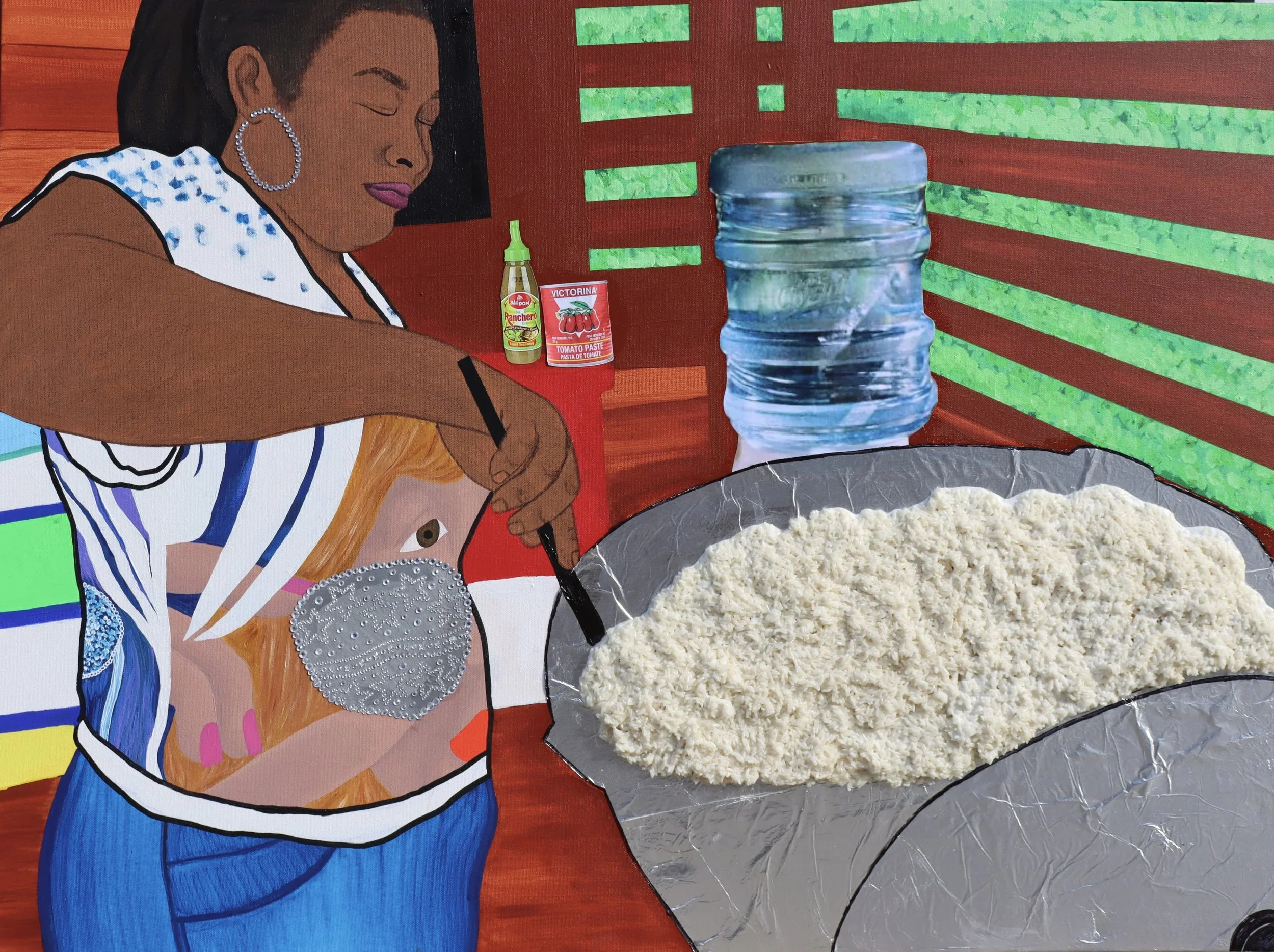
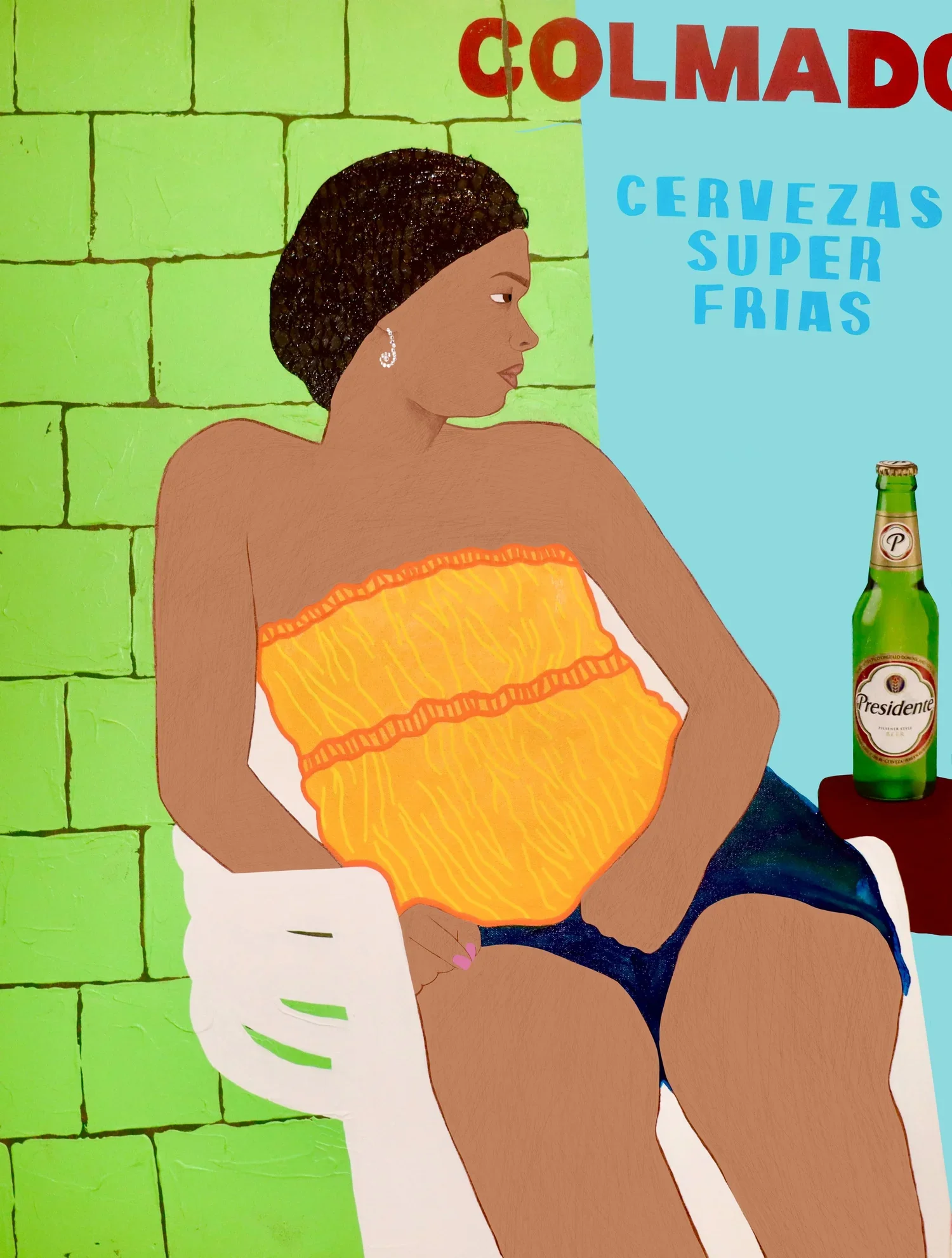
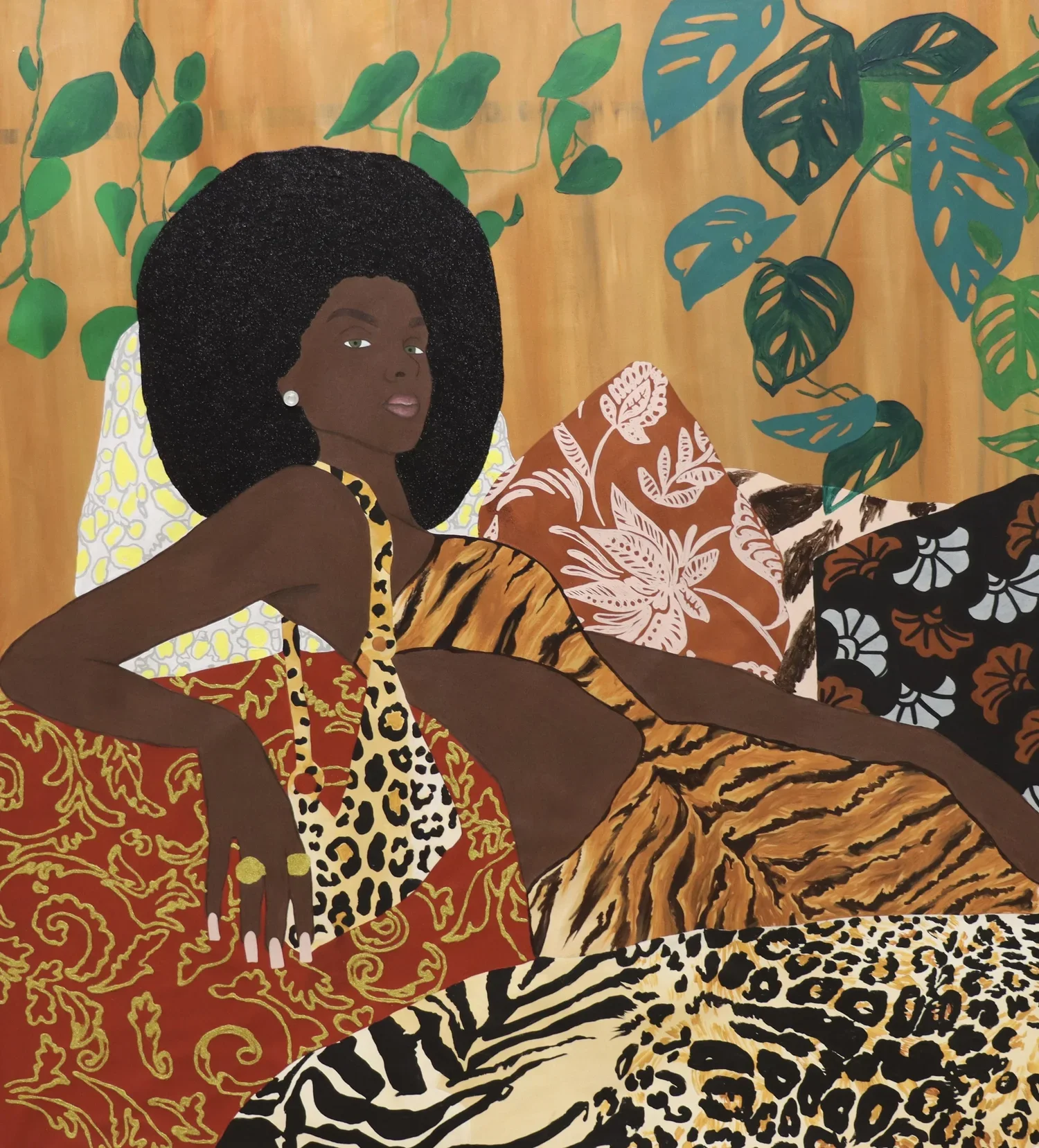
Junot Díaz: Novels like The Brief Wondrous Life of Oscar Wao and This Is How You Lose Her, captures the experiences of Dominican families navigating life between language, nations, and generations. Díaz weaves English and Spanish together and mixes family lore, migration narratives, and diasporic humor. The multi‑generational story in Oscar Wao is referenced with footnotes and slang that bring readers to both Dominican and American worlds at once, showing how identity endures amid being displaced and expectations fitting in.
Continuity: The Power of Legacy
Legacy carries the memories and practices of generations, giving communities continuity and a sense of belonging. Culture survives and thrives because it adapts. Rhythms are remixed, languages blend and shift, traditions are reinterpreted, and stories are reshaped in new forms for the next generations. Deportation and displacement silence these stories and make echoes of generations past precarious. In this context, the work of Latinx artists becomes even more urgent. They resist assimilation by celebrating traditions reminding us that belonging goes beyond paperwork, accents, clothing, or geography. It’s about holding culture proudly, letting it grow, and passing it forward. Art becomes a way to plant seeds of new identity, ensuring culture survives and thrives as a living, evolving presence, even in the face of absence and upheaval.
Heritage requires care, especially in environments that can disrupt communities and challenge our connection with identity. Still, memory, stories, language, and traditions find ways to endure. They evolve because we decide to continue to carry them forward. Preserving heritage isn’t about holding the past in place, but about allowing identity to grow while staying rooted in where it began. It’s more about survival than nostalgia. It’s how we claim our place in the world, how we honor our past, and how we ensure that the voices of our families continue to matter.
In a time when belonging can feel both deeply personal and publicly visible, cultural memory is a gift to be lived, renewed, and shared across generations. Storytelling becomes a powerful tool. Stories are the threads that connect generations, weaving together a memory, culture, and identity. Each time they are shared, they carry pieces of the past into the present, ensuring that the experiences of struggles and celebrations, and voices that came before us are not forgotten. In telling these stories, we remember, revisit, and let a legacy grow.
Further Reading
Ricourt, Milagros. The Dominican Racial Imaginary: Surveying the Landscape of Race and Nation in Hispaniola. Rutgers University Press, 2016.